

Articles & Reports
Featured

One Consumer, Dozens of Touchpoints, One Campaign
Every new touchpoint used to mean another campaign to build, budget, and measure. Brands pulling ahead in retail media reach consumers across all of them with one campaign and no extra workload.

Where Crunch Meets Clean Label: Sunflower Kernels for the Next Generation of Better-for-You Snacks
Canada’s healthy snacks market is experiencing strong growth. According to Grand View Research, the market generated $3,713.6 million (USD) in 2025 and is projected to reach $7,282.5 million (USD) by 2033, growing at a compound annual growth rate (CAGR) of 8.8% from 2026 to 2033.¹ The research also identifies Canada as the fastest-growing regional market in North America, highlighting significant opportunities for food manufacturers looking to innovate in the category. For food scientists and product developers, this growth presents a complex formulation challenge. Consumers increasingly seek snacks that deliver nutritional value, convenience and recognizable ingredients, without sacraficing the taste,texture and overall eating experience they expect. Success depends on balancing these priorities to create better-for-you products that satisfy both nutritional goals and consumer expectations. Why Texture Matters in Snack Innovation Texture is a powerful influence on how consumers experience food, shaping everything from first impressions to repeat purchases. Puratos’s Taste Tomorrow research found that nearly half of consumers prioritize texture over ingredients when purchasing food, while 68% of millennials say texture directly influences their choices.² Ingredion research further indicates that 70% of global consumers would switch to a different product or brand if they were dissatisfied with its texture.³ For snack food manufacturers, these findings underscore the importance of getting texture right from the outset. Crunch, crispness and contrast can help distinguish a product in a competitive market, while combinations of complementary textures can create a more engaging and premium eating experience. Innova Market Insights’ Global Texture Trends 2026 report highlights the appeal of combining textures such as creamy, crunchy, and soft. Its research also revealed that one in four consumers globally is interested in trying snacks in formats that are new to them.⁴ Together, these insights point to opportunities for food manufacturers to explore fresh ingredient combinations and textural experiences that make better-for-you snacks stand out. Where Sunflower Kernels Fit In U.S.-grown sunflower kernels give food manufacturers a practical way to build that contrast. Their mild flavour and satisfying crunch add dimension to both sweet and savoury product innovations without overpowering other ingredients. They also bring plant-based protein, fibre and healthy fats, along with vitamin E, zinc, folate, iron and magnesium, so the texture upgrade comes with a nutritional one. Available raw, roasted and ready-to-eat, sunflower kernels can be used across a wide range of applications, including: • Better-for-you snack bars • Granola and trail mixes • Crackers and savoury snacks • Bakery products and breakfast cereals • Plant-based snacks and bites Clean Label and Allergen-Friendly by Design Consumers worldwide are increasingly prioritizing clean-label products made with recognizable ingredients and greater transparency. Innova Market Insights reports that more than two in three consumers globally say they are at least somewhat influenced by clean ingredient decks, and that nearly one in three new products now carries some type of clean label claim.⁵ Innova also notes that non-GMO claims are most established in North America.⁵ Sunflower kernels are naturally non-GMO and sustainably grown, which supports the transparency and recognizable-ingredient positioning shoppers respond to. They are also an allergen-friendly alternative to tree nuts, delivering the crunch consumers expect from nuts and seeds. Unlike tree nuts, sunflower kernels are not considered a priority allergen in Canada, making them a versatile option for manufacturers developing new products or reformulating existing ones. Turning Texture Trends into Product Opportunities As Canada's healthy snacks market continues to expand, food manufacturers have an opportunity to differentiate their products through thoughtful ingredient choices and more engaging eating experiences. Texture is an important part of that equation, influencing consumer appeal while creating opportunities to innovate across familiar snack formats. U.S.-grown sunflower kernels bring together satisfying crunch, plant-based nutrition and application versatility, making them a valuable ingredient to consider for the next generation of healthy snacks. From bars and granola to crackers and savoury mixes, they can help product developers create food innovations that balance texture, taste and nutritional value. Explore how U.S.-grown sunflower kernels can add texture, nutrition and versatility to your next snack innovation. Connect with a supplier today > {link to lead to the NSA Kernel suppliers page} References: 1. Grand View Research, Canada Healthy Snacks Market Size & Outlook, 2026–2033. https://www.grandviewresearch.com/horizon/outlook/healthy-snacks-market/canada 2. Puratos, “Why texture is important in food,” February 19, 2025. https://www.puratos.com/blog/why-texture-is-important-in-food 3. Ingredion research, as reported in “New approaches to texture innovation,” Food Business News, May 7, 2026. https://www.foodbusinessnews.net/articles/30275-new-approaches-to-texture-innovation

Inside SIAL Canada 2026: Driving Food Innovation Through Connection and Collaboration
CFIN had the honour of taking a bite out of SIAL Canada 2026 in Montréal 🍎—connecting with partners, members, and industry leaders shaping the future of food innovation across Canada and beyond. Representing CFIN on site were CEO @Dana McCauley and @Julie Daigle , Regional Innovation Director (Quebec), who engaged with the ecosystem throughout the event. Their presence reflected CFIN’s ongoing commitment to strengthening Canada’s food innovation ecosystem and supporting high-potential foodtech ventures. Attendees could also catch Julie as a Foodtech Focus expert at the SIAL Canada Expert Hub, where she connected directly with innovators and shared insights with the community. Dana also took the stage as part of the Dairy Talks program, contributing to a forward-looking discussion on innovation as a driver of market leadership in the Canadian dairy sector. Her session explored the shift from incremental product development toward a broader innovation mindset—highlighting next-generation ingredients, value-added dairy formats, new go-to-market strategies, and the role of Industry 4.0 technologies like AI, robotics, automation, and digital supply chains in strengthening productivity and global competitiveness. A key highlight of the week was CFIN’s involvement in the 7th edition of the Startup Pitch Competition, held on April 30 on the Food & Bev Connect stage. Julie Daigle participated as the President of the Foodtech jury, joining a panel of industry experts evaluating promising entrepreneurs from the Startup Village. Beyond the competition, the Startup Pitch stage served as a strategic platform connecting entrepreneurs with buyers, investors, and key decision-makers across the agri-food ecosystem. A standout moment for the CFIN community was the recognition of Maia Farms, a CFIN member and funding recipient, which earned the Gold Prize in the foodtec h competition 🍄🏆 CFIN’s presence at SIAL Canada underscored the momentum of Canada’s food innovation sector and the value of convening the ecosystem to accelerate ideas from concept to commercialization. 📖 Explore more from SIAL Canada 2026 R elive the stories, innovations, and key moments captured throughout the show in the official SIAL Canada Daily: SIAL Canada Daily – 2026 Edition (Photos Courtesy of SIAL)

Five Years of CFIN: A Letter to the Network
Thirty years ago, I worked as a chef in the kitchen of one of Canada’s top restaurants standing should er to shoulder with people who ca red about the sensory experience of food above all else . Our tech stack was al most all analog and , to be honest, we didn’t give our ordering system or the way we did inventory a lot of thought. My career broadened over time , and I ’ ve also held roles where I developed recipes at Canadian Living and wrote about food trends; built innovation strategies and products for national brands, founded a business incubator, and ran a venture creation office at a prestigious Canadian u niversity . Food was always the thread , and technology was always present but in most of the food focused businesses I’ve worked for, it was taken for granted, and creativity and hard work were what drove the businesses forward. While smart people with great ideas are essential to food business success, it’s not enough to be competitive in today’s world. Old ways of running restaurants, innovation labs and food and beverage processi ng businesses can’t compete internationally or absorb the trade shocks that have become commonpla ce in recent history. That’s why I feel l ik e CFIN is the perfect place for me to be today and why we’re adding dozens of new members per week. When CFIN was created in 2021, the mandate was intentionally broad : cata lyze Canadian food innovation with funding , build community, connect an ecosystem that had been operating in silos for decades. The funding programs took shape quickly. Since 2022, we’ve awar ded $23.3 million to 133 projects across six program s. For every $1 CFIN invested, our members committed $7.65 of their own capital toward innovation. This leverage ratio of nearly 8-to-1 has unlocked over $140 m illion in private sector spending on R&D and capital infrastructure. The other work was harder to define . What do "build community" and "connect an ecosystem" mean in practice for a sector span ning startups, processors, researchers, investors, policymakers, and operators spread across this vast country ? Th at question didn't have a tidy answer. As a result , fostering and serving this network was (and remains ) an exercise in innovation itself : something new to be built , and then tested, adjusted, and iterated upon , ad infinitum . I’m immensely proud of what we’ve built so far . A team of Regional Innovation Directors who've supported more than 2,200 organizations, brokering the introductions that became commercial partnerships, strategic investments, leadership hires, and research collaborations. A digital platform , YODL, connecting Canada's food sector across industry silos and bridging interprovincial barriers . The first comprehensive analysis of Canadian foodtech . A network of 8,500 members from every province, every part of the food value chain, every stage of business . On any given week, our community is discussing topics ranging from precision fermentation bioreactor designs and funding stacks to food packaging labeling regulations and export strategies, all in the same space. Members benefit from purpose-built tools and resources — like our Funding Finder that aggregates food and beverage funding opportunities across the country and a growing library of original sector research and analysis — alongside direct access to our Regional Innovation Directors. Canada has strong regional funders, accelerators, trade associations, and tech transfer offices, each doing necessary work in a defined lane. What this sector didn't have was a place where the conversation s , the tools, and the connections all showed up at once — where the range of problems and the range of capabilities were dense enough that the right solutions could emerge . That's what CFIN has built. That foundation is important because the next five years will be even more dynamic, and often more challenging, than the last five . To keep pace and flourish in an increasingly volatile world, Canada's food sector needs to modernize faster and more strategic ally than ever before . Trade disruption is dramaticall y reshaping supply chains . L abour constraints are compounding a productivity gap that was widening long before tariffs became front-page news. Climate pressures are intensifying. Food 4.0 — a tech-enabled food s ector that's more collaborative, productive, resilient, and competitive — is the framework CFIN is building toward, and the case for it gets more urgent by the quarter. I ’m confident that we’re up to the task . Five years ago, Canada's food innovation ecosystem was fragmented, underleveraged, and often invisible to the investors, operators, policymakers, and media who needed to see it. That's no longer true. The capacity to respond to the challenges ahead is here. Not in any single program or policy, but in the breadth of this network — the founders , processors , researchers , and investo rs who are hungry to innovate and build a better Canadian food sector . My own wide-ranging path through the food sector taught me that no single role ever showed me the full picture. It took working across kitchens, labs, newsrooms, boardrooms, and startups to understand how innovation really moves through this industry — and where it get s stuck. CFIN was built on the same insight. A sector this complex, facing challenges this urgent, needs more than funding or advice or connections in isolation. It needs all of them in the same room. That's what we've spent five years building, and I'm betting the next five will prove its value at a scale none of us can yet imagine. Thank you for being part of it. Dana McCauley, CEO, Canadian Food Innovation Network
How BC is Becoming a National Foodtech Hub
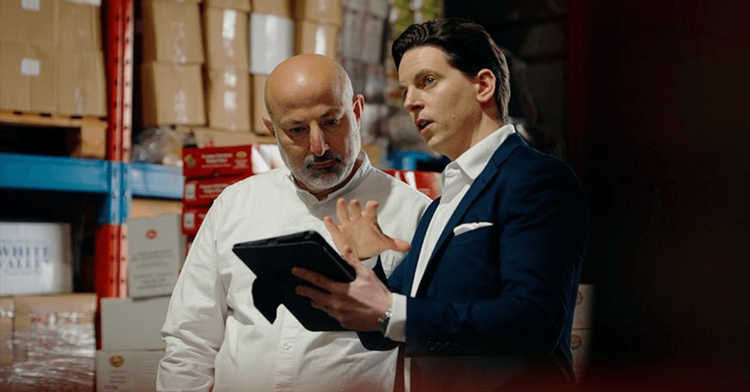
Editor's Note: This article was o riginally published in the Vancouver Tech Journal on March 13, 2026 The province has a diverse food processing industry, world-class research facilities, and a deep bench of tech talent — everything a foodtech ecosystem needs to thrive. Foodtech builds the software, automation, and applied science for how food gets processed, manufactured, packaged, distributed, and sold. The industry behind it is enormous — food and beverage processing alone is Canada's largest manufacturing sub-sector , bigger than automotive, bigger than aerospace. It's a serious market, and in British Columbia, it's growing fast. But if you work in the province's broader tech ecosystem, you might not even know that. Foodtech hasn't traditionally drawn the same attention as sectors like cleantech or enterprise SaaS despite being a comparable market in scale and complexity — and one where demand for new technology is accelerating fast. What BC brings to the table BC's food processing sector is substantial — over 3,200 companies producing roughly $12.6 billion in value-added products annually. And it's being treated as a strategic priority. The province has funded a network of shared food processing hubs, UBC just opened a Food and Beverage Innovation Centre with pilot-scale production labs that processors and startups previously had to leave BC to access, and SFU's BC Centre for Agritech Innovation is partnering directly with SMEs on cost-shared R&D. At the same time, much of what the food industry needs is already being built in BC for other thriving tech sectors. Process automation, energy management, supply chain software, safety and traceability systems, data-driven quality control — these are cleantech and software problems applied to production floors and distribution networks. The talent, research base, and trade infrastructure to support a serious foodtech cluster are all here. A different kind of tech sector Foodtech doesn't work like enterprise SaaS or consumer tech. Processors and manufacturers adopt slowly and carefully, because failure is expensive in ways that go beyond lost revenue — a food safety issue, a botched line integration, a regulatory problem. Sales cycles run in quarters. The investor community that understands food is small and specialized. And the industry's own networks run through trade associations, existing supply relationships, and sector-specific events that sit well outside the broader tech community's orbit. None of this means foodtech is closed off. It means that if you want in — as a founder, investor, developer, or potential partner — you need a way to access the conversations, the deal flow, and the operating knowledge that don't surface through the usual channels. The Canadian Food Innovation Network The Canadian Food Innovation Network is a national not-for-profit, established in 2021 that functions as the operating infrastructure for Canada's foodtech sector. CFIN runs cost-shared funding programs that help companies de-risk R&D and move technology into commercial settings. Since launch , the organization has awarded over $22 million to 122 Canadian foodtech projects, matched by $25 million in industry co-investment. Those funded companies have generated $90 million in economic impact, created over 355 jobs and co-op placements, and attracted more than $82 million in follow-on investment. The network's 8,000-plus members include food processors, technology companies, ingredient suppliers, retailers, researchers, and investors — connected through YODL, CFIN's member platform, and supported by Regional Innovation Directors embedded across the country, who work directly with members to broker introductions, navigate funding, and connect emerging technology with the processors and buyers who need it. CFIN also produces the sector's most detailed intelligence . The Foodtech in Canada 2025 Ecosystem Report mapped investment flows, identified sector strengths, and gave both companies and investors a clearer picture of where the Canadian foodtech market stands. And then there's Foodtech Frontier , CFIN's annual program identifying the country's highest-potential foodtech companies. The inaugural cohort of 35 winners included eight BC companies. For investors, it works as curated, vetted deal flow in a sector where sourcing is otherwise hard. For the companies, it's structured national visibility. Plug into Canada’s foodtech ecosystem If you work in technology or investment and you've been curious about the food sector, then signing up for a free CFIN membership is the best place to start. Members get access to funding programs, sector intelligence, a national innovation community, and regional team members that know the BC landscape specifically.
Other Articles

The Tablesetter – October 3
Happy Monday CFIN members! Here's your weekly heads up on what’s happening on YODL and around the food world this week. The YODL Menu Did you notice we added a YODL Menu widget to our homepage? Now you can easily access all of our articles and keep track of what’s coming up. Monday: The Tablesetter – October 3 Tuesday: Guest Blog: Plastics Packaging Innovation – Nine Strategies Transforming the Food Industry Today Wednesday: Explained: Biodegradable vs. compostable Thursday: When Plastics are the Best Solution Friday: News File Something to Celebrate October 4 is National Taco Day! Tacos are believed to have originated among workers in Mexico’s silver mines during the 1800s, then boomed in popularity as taquerias began appearing to sell the inexpensive but filling meals. According to a National Today survey on taco-eating habits, 95% of consumers love tacos. Of those respondents, 26% said steak is their favourite taco filling, followed by lamb, beef or goat (24%), chicken (18%), other (8%), pork (7%), pork sausage/chorizo (4%), vegetables (4%), beef tongue/lengua (4%), adobo pork (2%), and fish (2%). Food Facts DoorDash’s top 10 most ordered take-out foods as of 2020 are: Burritos Butter chicken Chicken tenders/nuggets Poutine Onion rings Miso soup Chicken lettuce wraps California roll Burger Tuna poke bowl Happy YODLing!

News File – September 30
Each Friday we’ll bring you a roundup of news from CFIN, YODL and around the food world. As seen on YODL Check out this week’s most viewed discussions: MRO Magazine / Robotics and the Food Industry | Open Forum (cfin-rcia.ca) FoodTech Next - A NEW CFIN Funding Program | Open Forum (cfin-rcia.ca) Life in Bio Plastic - It's Fantastic article | Open Forum (cfin-rcia.ca) Around the Food World A new report from Value Chain Management International reveals the true benefits and cost of decarbonizing the food industry. Hint: it’s not as expensive as you think. Our diets are only slightly healthier than they were 30 years ago. That’s the surprising conclusion of a global study from Tufts University. Grocers are grappling with the fact that compostable plastic bags will be included in Canada’s single-use plastics ban. Did you Know? A new study from the Agri-Food Analytics Lab at Dalhousie University found that Canadians have already made changes to their shopping habits due to food inflation over the past year. Key findings include: 33.7% of respondents have used loyalty program points to pay for groceries in the past year. 32.1% say they read grocery flyers more often. Almost 24% say they are using more coupons at the grocery store. 15.5% have begun growing their own food in the past year. 4.5% of respondents say they now have livestock at home. 8% of consumers have changed their primary grocery store in order to save money – 12.9% say they now visit more than one grocery store. 19% of respondents use discount stores, 11.5% have used dollar stores more often to buy food, 8% visit farmer’s markets more often, and 7.1% have bought direct from farmers over the past year. 40.6% say they are trying to waste less food. Nearly 24% are cutting back on the amount of food they buy. 7.1% of respondents say they are now skipping meals. 6.6% of consumers are paying for groceries on credit, without knowing how or when they will eventually pay for them.
Guest Blog: The Ban of Plastics in Canada – What it Means for Food Value Chain Manufacturers
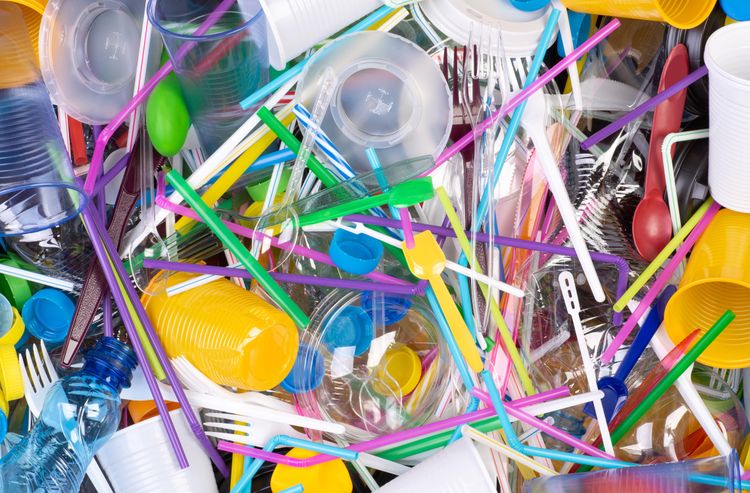
This article originally appeared on the G.S. Jameson & Company blog . In June 2022, the Minister of Environment released the long-anticipated Single-use Plastics Prohibition Regulations : SOR/2022-138 pursuant to subsection 93(1) of the Canadian Environmental Protection Act, 1999. These regulations prohibit the manufacture, import, and sale of certain single-use plastics in Canada: straws (with some exceptions), checkout bags, ring carriers, certain foodservice ware, cutlery, and stir sticks. As of this December, the manufacturing and importation of single-use plastics will be prohibited, and in December of 2023, the sale of single-use plastics will be prohibited. This will affect manufacturers in the food value chain, who currently manufacture single-use plastic products, import single-use plastic products, or use single-use plastic products in the sale of goods. Single-use plastic items not listed in the six categories identified above are exempt from the regulations; this would include garbage bags and containers used to import food. Various exceptions also exist for plastic straws; for example, flexible straws packaged with juice boxes can be sold until 2024 and other flexible and bendable straws will be restricted, rather than banned, because of their use in healthcare settings. Items that are in transit through Canada from a place outside of Canada are also exempt from the regulations. Manufacturers hoping to import their products into Canada may be wondering whether, and how, the regulations apply to them. If you manufacture pre-packaged food, or utilize food packaging for transportation, the regulations will not apply unless you use one of the prohibited single-use plastics. Further, if you plan to use Canada as a transit route for your plastic products, the regulations will not apply. However, if you manufacture, import, or sell any of the six prohibited items, the regulations should be reviewed carefully, as they may apply. For stakeholders that wholesale foodservice packaging to restaurants, the prohibited category of “foodservice ware” may warrant review. This category includes clamshell containers, lidded containers, cartons, cups, plates, and bowls for serving or transporting prepared food or beverages ready for consumption. These single-use plastic products will be prohibited for sale as of December, 2023. Most food manufacturers will not be impacted by the narrow list of prohibited single-use plastics currently included in the regulations. Despite this, if you are a manufacturer who uses single-use plastics in any capacity (even if they will not be prohibited) it may be wise to turn your attention to non-plastic alternatives. This forward-looking approach could be beneficial if other plastics are eventually added to the regulations. For American manufacturers, the importation of certain items into Canada may require a change in processes. This can be an expensive and time-consuming undertaking. Yet it may also be a welcome step for a corporation’s long-term success. As jurisdictions across the world move towards reducing plastic and enacting plastic bans, those in the Canadian food value chain would be wise to implement measures now, which align with green consumerism, to engage a competitive advantage. Although the Canadian regulations are the first federal prohibition of their kind in North America, the United States currently has a patchwork of single-use plastic regulations. In June, the US Interior Department announced a plan to phase out single-use plastic products in national parks and other public lands in the next decade. And despite the lack of a federal regulation, various states and municipalities have passed similar single-use prohibitions across the US. California recently passed a sweeping law to reduce single-use plastic by 2032 and nine states, including New York, New Jersey, and Washington, have already enacted prohibitions on single-use plastic grocery bags. Some of these states have also created bans on cutlery and foodservice ware, and several municipalities have restricted the use of grocery bags and straws. Financially, it may also benefit manufacturers, as consumers increasingly value corporations interested in decreasing our carbon footprint, engaging in sustainability, and attempting to reduce plastic waste by meeting or surpassing existing standards. Green consumerism is growing in popularity. Ultimately, these new regulations will not affect the majority of business practices for most manufacturers in the food value chain, but they do signal a greater shift towards single-use plastic reduction, which should encourage all businesses to consider plastic alternatives for their products. For more information on the Single-use Plastics Prohibition Regulations , visit the Government of Canada’s Fact Sheet here . Contact G.S. Jameson & Company at info@gsjameson.com .

What YOLDers are saying – YODL’s Top 5 Discussions, September 2022
YODLers had a lot to say in September! In case you’ve missed them, here are the top five discussions taking place in the past month. Number 5 YODL 2.0 We’ve updated the look and feel of YODL to make it easier to navigate through articles and discussions. What’s your opinion of the changes? Number 4 Michelin Stars Awarded to Toronto Restaurants Michelin Guide recently recognized 13 Toronto restaurants with one and two stars, but not everyone is onboard with the choices. Number 3 Robotics and the Food Industry Many YODLers read @Dana McCauley ’s article on Robotics and the Food Industry in MRO Magazine . The article covers the declining costs of automation, the creation of new jobs, and different applications for robotics in the food sector. Number 2 FoodTech Next YODLers have responded to CFIN’s latest call for proposals for its FoodTech Next funding program! The new program is designed to showcase Canadian innovation and generate first demonstration opportunities that enable advancements and commercialization. Number 1 Determining the health benefits of your products The functionality and health benefits of products is a hot topic, judging by how many YODLers viewed this discussion. What’s been your favourite article or discussion post on YODL so far? And if you haven’t joined the discussion yet, why not? Happy YODLing!
Guest Blog: Unique challenges of packaging design
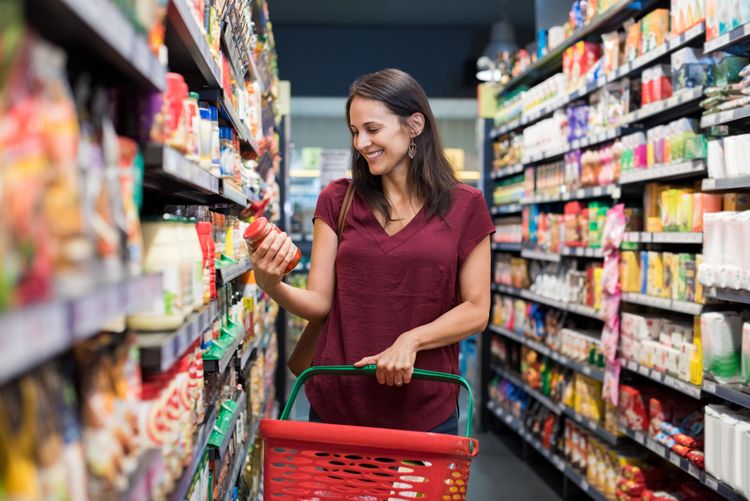
This article originally appeared on Birgit Blain & Associates' Food Biz Blog . By @BirgitBlain When surveying food stores I often see packaging graphic design that misses the mark. Packaging is more than a pretty face. As the primary communication vehicle for brands at point of purchase it must clearly convey key information and have visual impact. Do you assume every graphic designer has the knowhow to design a food package? Here’s why that is not the case. Graphic design is a profession with many disciplines and food packaging is one area that demands special expertise. Numerous factors unique to packaging put graphic designers to the test. Regulations Health Canada regulations dictate mandatory information, placement and formatting for food labels. A designer with knowledge of the requirements for presentation of information can prevent costly mistakes. A regulatory specialist should still be consulted to ensure packaging is compliant with regulations. Space constraints Real estate on packaging is very limited, yet marketers love to cram in as much information as possible. Regulatory requirements and Canada’s bilingual labelling further complicate the process. The challenge is how to fit in a plethora of text and graphic elements, and clearly present dual language information, to end up with a legible, impactful package that doesn’t look cluttered. Experienced package designers have the talent and skills to manipulate numerous visual elements and fonts to accommodate an inordinate amount of information without overcrowding. 3D nature of packaging Graphic designers typically work in two dimensions but packaging has a third dimension that must be designed around. Hiring an experienced package designer can optimize the quality of packaging and save rework, time and money. Merchandisability Brands have no control over instore merchandising, shelf placement and number of facings. Food retailers use various merchandising strategies in planograms that impact how brands present on shelf. An inexperienced designer may assume brands are blocked within the set. More commonly a product range is split up and merchandised according to category, segment, flavour or size. And with prime eye-level slots typically allocated to store brands and multinationals, other brands can end up on the top or bottom shelf. Stores use a variety of fixtures – shelving, wire racks, pegboard, bins, bunkers, coolers with glass doors – that affect how products are displayed. Shelf dimensions and spacing, and lighting also play a part in product visibility. It’s important to understand instore merchandising and how a product stacks up on shelf. Effective package design takes these variables into consideration. Variety differentiation Deciphering a category set can be mind-boggling for shoppers. How do you differentiate multiple SKUs in a way that consumers will grasp quickly? Making it easy for them to find the brand and flavour they want in a sea of competitors will capture sales. Technical aspects Packaging requires a variety of substrates and printing processes, each with their own tolerances. Depending on the colour specifications, printing process, equipment, press speed, ink, coatings, laminations and other variables it can lead to undesirable results. This includes poor resolution, inaccurate colour reproduction and registration, inadequate legibility and an inferior end product. Colour selection can drive up the cost of packaging. A designer who knows how to work with colour and printing systems can specify colours to keep packaging costs in line. Understanding the limitations of print processes and building artwork accordingly, within dieline limitations and printer specifications, can help to mitigate quality issues and manage costs. Brand owners don’t always hire the right pro for the job. Perhaps it’s to save money or because they don’t understand the complexities of the work. Hiring an experienced package designer can optimize the quality of packaging and save rework, time and money. In short, it’s a good spend. As CPG food consultants, Birgit Blain and her team transform food into retail-ready products. Birgit’s experience includes 17 years with Loblaw Brands and President’s Choice®. Contact her at Birgit@BBandAssoc.com or learn more at www.BBandAssoc.com

The Tablesetter – September 26
Happy Monday CFIN members! Here's your weekly heads up on what’s happening on YODL and around the food world this week. The YODL Menu Did you notice we added a YODL Menu widget to our homepage? Now you can easily access all of our articles and keep track of what’s coming up. Monday: The Tablesetter – September 26 Tuesday: Guest Blog: Unique Challenges of Packaging Design Wednesday: Top YODL Discussions from the Past Month Thursday: When Plastics are the Best Solution – Part 1 Friday: News File Something to Celebrate September 29 is National Coffee Day! Canadians love coffee, but the amount we’re drinking is declining. It’s estimated that Canadians will consume more than five million 60-kg bags of coffee this year, or 2.7 cups of coffee per day each. That compares to about 3.6 cups per day in 2008. The hot coffee market in Canada is a US$18-billion business, according to a 2022 Statista report, with the single-cup pod market comprising 31 per cent. Most of our coffee is imported from Columbia and Brazil. Food Facts A cup of coffee and your favourite chocolates – what could be better? A recent Prodege survey asked consumers their opinion of popular chocolate brands. Here are the brands which rated “excellent” or “very good” with respondents. Hershey’s – 86% M&M’s – 84% Reese’s – 81% KitKat – 79% Snickers – 74% Nestle – 73% Lindt – 71% Butterfinger – 59% Cadbury – 58% Ferrero Rocher – 57% Happy YODLing!
CIFST ALT Supplier Showcase Series - Lovingly Made Ingredients
CFIN is partnering with the Canadian Institute of Food Science & Technology (CIFST) to present CIFST ALT on September 28, 2022 at the Delta Toronto Airport Hotel & Convention Centre. Companies participating in the show also have the opportunity to present a Supplier Showcase Session during the CIFST ALT Innovation Showcase. Here’s a preview of one of the companies and speakers you’ll see at the show. Judy Day Food technologist Lovingly Made Ingredients Q: What solutions do your products or services offer food manufacturers? A: Lovingly Made Ingredients Ltd. manufactures innovative and first-in-market plant-based textured proteins that are sold globally. We also offer custom or toll manufacturing and project-based product development. We provide application knowledge and assistance to our customers to help solve their formulation needs. Our ingredients are made primarily with pea protein, but we also produce some unique pulse/grain blends for bespoke or toll production. Q: What makes your product or services unique and an alternative in the market? A: We are leaders in innovation and finding the right fit for the right product for our customers. We offer products that are non - GMO, kosher, halal and produced in a allergen-free facility. Our focus is on pea protein but we also work with a variety of Canadian ingredients and pulses. We’re not afraid to try new things! Sustainability is our reason for being and the way we constantly assess how we do business. Energy, water, inputs, packaging, shipping – we endeavour to be a force for good. We are meeting demand worldwide as our customers are hungry for innovations and supply. Unique shapes, blends, functionality is where we shine, alongside nimble customer service and utmost sustainability practices. Q: How do you maintain innovation as a priority in your company? A: We are producing next-generation innovations to feed the future of plant-based proteins. Shapes, sizes, functionality – we push the limits on what our equipment can do and are wowing our customers. The plant-based industry is ever changing in trends and needs, thus we need to remain flexible and retain our curiosity. We maintain great relationships with our customers and suppliers and always keep up to date with industry news and events. Keeping in touch with research facilities and universities always provides insight into new innovation opportunities. Our production team has a can-do attitude and are always willing to try our crazy ideas. We trial often and try to keep it fun. Q: What are you most looking forward to about CIFST Alt? A: Learning about other companies in the alt space and finding ways to connect and innovate together. We can’t individually save the world but together we may just have a chance at great success. Q: What’s your favourite alternative to either dairy, grain or traditional protein products? A: I enjoy oat-based dairy alternatives and I have to love all pea-based meat alternatives! Ready to register for CIFST ALT? Click here to find out more. #CIFSTALT #FoodInnovation #tradeshow #ingredients

News File – September 23
Each Friday we’ll bring you a roundup of news from CFIN, YODL and around the food world. As seen on YODL Check out this week’s most viewed discussions: Already loving the look and feel of the new YODL 2.0! | Open Forum (cfin-rcia.ca) Functional foods - are you interested in finding out what health benefits of your food product | Open Forum (cfin-rcia.ca) Michelin Stars Awarded to Toronto Restaurantes | Open Forum (cfin-rcia.ca) Around the Food World Walmart Canada is using AI to automate to detect out of stock items on shelves. Tim Hortons has announced a second Orange Sprinkle Donut fundraising campaign in support of Indigenous charities . A study from Finland shows how nanoplastics move along the food supply chain. Did you Know? A new study from Capterra reveals that Canadians believe in sustainable habits, and want to support businesses that have circular economies. In fact, 87% said they would rather buy products from companies with circular economy practices than from one that does not. The survey also asked consumers what sustainable habits they participate in. Here’s what it found: 79% separate their waste and recycling 78% bring reusable bags to stores 26% usually buy in bulk; 53% sometimes do 20% usually buy local products; 55% sometimes do 27% are aware of food waste apps, but only 7% use them 30% would definitely spend money at a business with anti-food waste measures; 51% said they might patronize such a business if it was convenient
Interview with the Canada Plastics Pact
@Joe Lake , CEO of CFIN, sat down with Paul Shorthouse, the interim managing director of the Canadian Plastics Pact, to talk about the organization and how it is helping the food industry reduce plastic waste.
Guest Post: Packaging – Much more than a pretty face
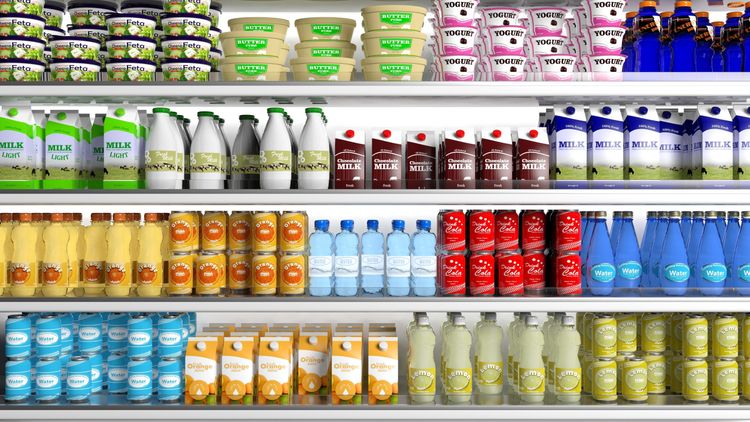
This article originally appeared on Birgit Blain & Associates’ FoodBiz blog . By @BirgitBlain Following a methodical process for packaging development can deliver a slew of benefits for brand owners: protection of product integrity, longer shelf life and fewer product write-offs; reduced risk of recalls; fewer customer complaints; improved production efficiency and faster time to market; waste reduction; lower labour costs; improved shelf presence and differentiation from competitors; and ultimately increased customer loyalty, sales and profit. Packaging has three primary functions. It serves as a container to store and transport food from factory to retail shelf and into consumers’ homes. As a barrier, it protects food quality and safety from physical, chemical and biological hazards. This is where food science and packaging intersect. And as a “billboard” for communication, packaging is your last chance to convince consumers to choose your product over everyone else’s. Assessing Options: Top 10 Factors A multitude of factors should be considered when developing packaging. Product and processing It starts with the characteristics of the food, food safety requirements and how it’s prepared and consumed. Then options are narrowed down according to the manufacturer’s processing methods and equipment capabilities. Size The weight or volume of the finished product also determines the packaging format. The ideal package size is based on regulations, batch and serving sizes, product usage, consumer needs, competitors, price point and in which channels the product is sold. Materials Ensuring that packaging materials are food grade and meet specifications and performance requirements is essential. Look for manufacturers certified under IFS PACsecure , a packaging material safety and quality standard. Distribution Depending on the channels through which products are distributed, retailers and foodservice operators have a variety of needs relating to packaging formats, damage susceptibility, handling and waste. Costco, for example, has strict packaging specifications. Branding Packaging can reinforce a brand’s values, identity, attributes and benefits. Align packaging with the brand strategy and ensure it delivers on the brand promise. For instance, an organic brand may do well to shun plastic packaging. Consumers Understand target consumer needs and what features and benefits they value and are willing to pay for. A negative experience can drive them to your competitor. Competitors Scrutinize competitive products to identify advantages and flaws. Although unique packaging is a differentiator, it can confuse consumers if it fails to meet their needs. Testing concepts with the target customer can mitigate risks. Merchandising It’s critical to evaluate how effectively the packaging displays in-store. Sustainability Environmentally conscious consumers are holding brands accountable for swelling landfills and polluted oceans. So review the material origins, disposal options and recyclability. Laminated pouches, for example, are not recyclable. Cost Cost often drives the decision, but choosing the cheapest solution can result in bad compromises and cost more in the end. In addition to materials and printing, be sure to factor in transportation, inventory storage, sales volume and potential write-offs. Packaging is an evolution. As your brand evolves so too should the packaging, to remain relevant to changing consumer demands. With over 50 per cent of purchase decisions made in-store, effective packaging can drive trial, customer loyalty and repeat purchases. As a packaged foods consultant, Birgit Blain makes food products more marketable. Her experience includes 17 years with Loblaw Brands and President’s Choice®. Contact her at Birgit@BBandAssoc.com © Birgit Blain

CIFST ALT – Previewing Joe Lake’s Keynote Presentation
CFIN is partnering with the Canadian Institute of Food Science & Technology (CIFST) to present CIFST ALT on September 28, 2022 at the Delta Toronto Airport Hotel & Convention Centre. CFIN CEO Joe Lake will be delivering the keynote address during the event, discussing how the non-profit organization is facilitating connections and communication between food and beverage companies, while stimulating transformative technological change across the industry. Here’s a sneak preview of what to expect during the presentation: Canada’s food industry is heavily fragmented Although the food industry is Canada’s second largest manufacturing industry -- generating more than $112 billion in production value annually -- the industry is extremely segmented between manufacturing, foodservice and grocery sectors, and between regions of Canada. As a result, opportunities for collaboration, learning and growth are often missed. YODL is helping connect the food industry Joe will peel back the curtain on YODL and reveal key data points that show how the newly launched platform is helping CFIN Members connect, discuss challenges, and find potential business partners. Collaboration is key Joe will present his top five tips for F&B operators to improve collaboration. One of these five tips (‘Adjust Your Attitude’), will dive into why operators need to change their mindset and eliminate pre-conceived notions in order to increase their innovation capacity and grow their business. We look forward to seeing you next week at CIFST ALT! If you don’t have a ticket yet, you can get one here .

The Tablesetter – September 19
Happy Monday CFIN members! Here's your weekly heads up on what’s happening on YODL and around the food world this week. The YODL Menu Did you notice we added a YODL Menu widget to our homepage? Now you can easily access all of our articles and keep track of what’s coming up. Monday: The Tablesetter – September 19 Tuesday: CIFST ALT keynote speech preview Wednesday: Guest article: Packaging – much more than a pretty face Thursday: Interview with the Canada Plastics Pact Friday: News File Something to Celebrate September 23 kicks off Ontario Garlic Week , which actually runs until October 2, 2022, and includes the 12 th annual Toronto Garlic Festival . The festival offers garlic-lovers the chance to buy fresh garlic, taste garlic-infused recipes and products, test out the Garlic Shot Station, and even participate in competitions like the Garlic Breath Contest. Food Facts Garlic has been used for medicinal, religious and culinary purposes for more than 5,000 years. It’s thought to be the first food flavouring. There are approximately 450 different types of garlic cultivated worldwide. According to the Toronto Garlic Festival, Ontario garlic comes in a variety of flavours, as well as sweetness and heat levels. Kiwi, parsley, spinach and basil are all clinically proven to remove bad breath after eating garlic. Fresh fruit and lots of water also help. Garlic contains many minerals, vitamins and antioxidants, including potassium, iron, calcium, magnesium, manganese, zinc and vitamin C. It’s also known to lower cholesterol levels, boost the immune system, and help prevent heart disease and cancer. Happy YODLing!