Are you familiar with upcycling? We are hearing more and more about it, and this is only the beginning of a major new area of innovation in food, as in many other sectors. Here is a brief overview of what you need to know.
What it is
Upcycling involves using products or materials that are no longer of use to their original user, transforming them and giving them a new purpose whose value is equal to or greater than that of the original product.
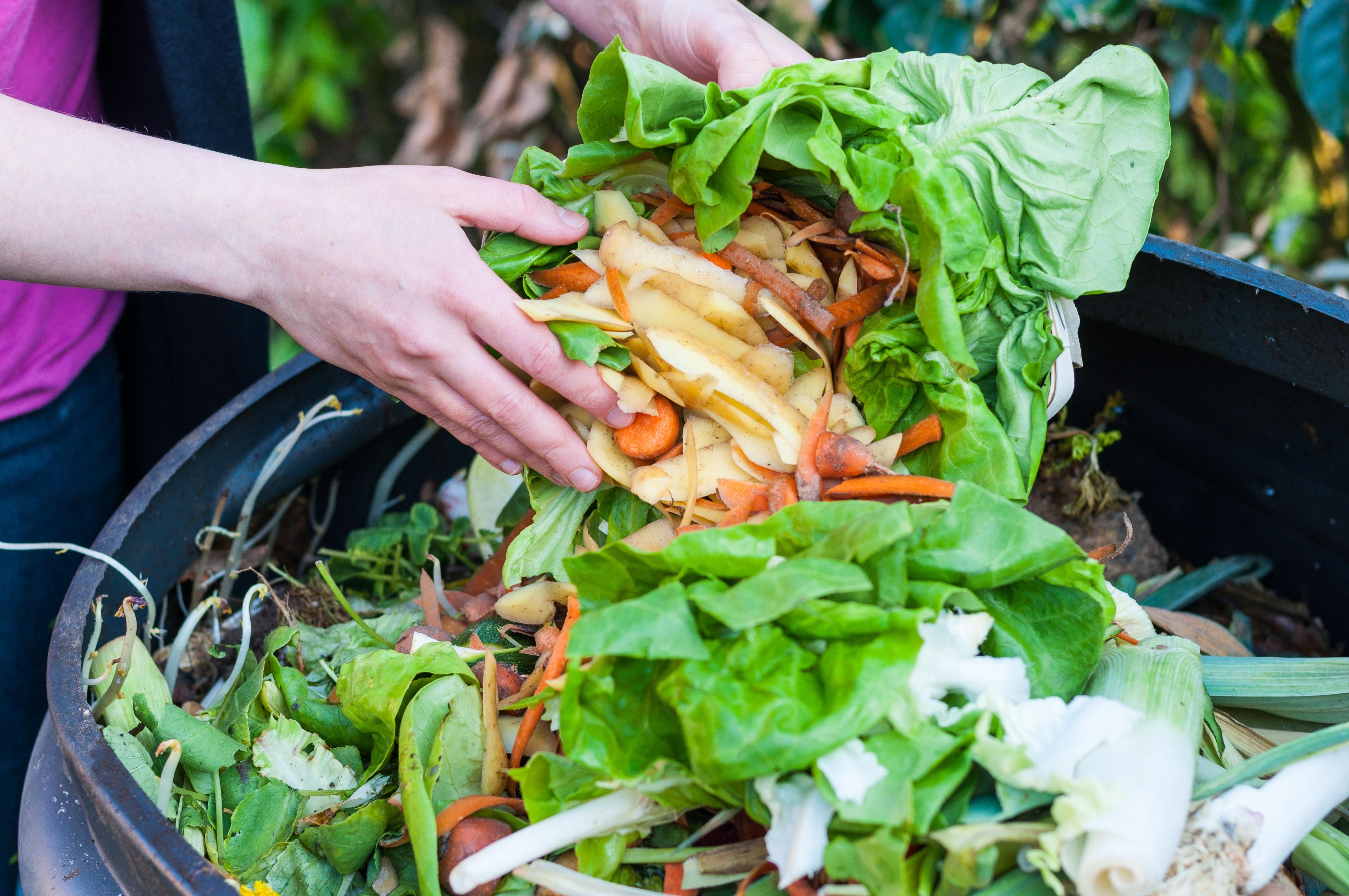
In food, upcycling mainly applies to raw materials that a processor uses only in part (e.g. broccoli where only the florets are used) or to a processing by-product (e.g. nut pulp, or oilcake, left after the oil has been extracted).
Unlike recycling, whose purpose is essentially environmental, upcycling offers both economic and environmental benefits.
Why this matters to you
- Food waste is a major issue: one-third of the world’s food is believed to be thrown away each year.
- Estimated potential annual economic value of food upcycling, according to the Ellen MacArthur Foundation: 700 billion dollars
- In Canada alone, food waste results in estimated losses of 31 billion dollars each year.
- More than half of this waste is thought to be attributable to industry (food processing, retail, agriculture, food service and hospitality, transport and storage).
- A large share of the food waste generated by industry is thought to consist of processing by-products that can be upcycled.
As you can see, food upcycling is a real and concrete opportunity to generate new revenue and innovate. You will also have understood that upcycling begins with a matchmaking stage between companies that wish to offer their “waste” or take that of others.
Many initiatives are being introduced across the country to enable and facilitate this matchmaking. For example, Université Laval in Quebec and the University of Guelph in Ontario have both launched pilot projects to bring companies in their regions together and support them in finding economically viable outlets for their by-products.
Would you like to explore this topic further or find out about initiatives in place in your region? Contact your regional director today!