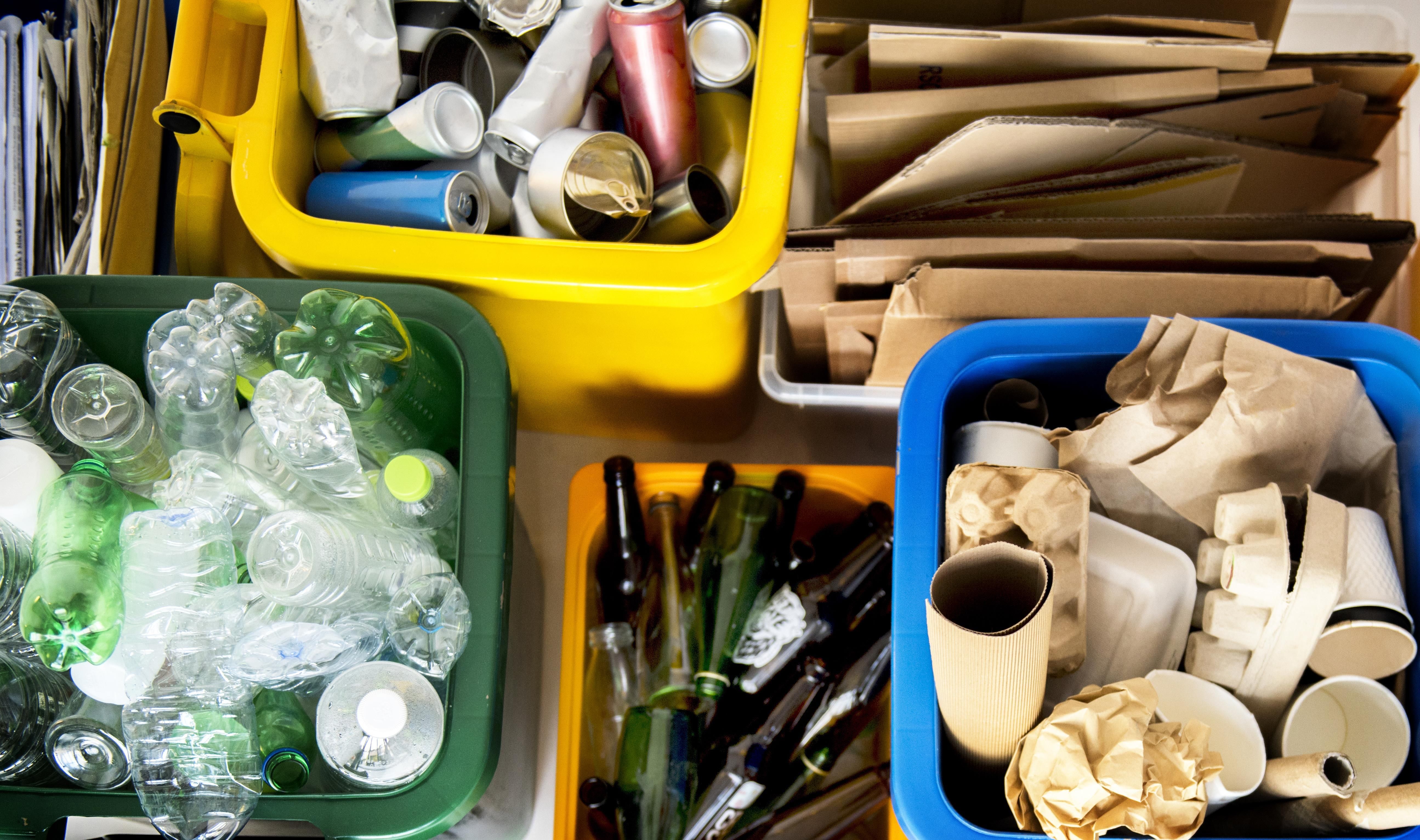
Over three million tonnes of plastic waste end up in Canada’s landfills each year. To address plastic waste nationwide, the Canadian Council of Ministers of the Environment (CCME) introduced the Canada-Wide Strategy on Zero Plastic Waste in November 2018. This strategy, built on the Ocean Plastics Charter, takes a circular economy approach to plastics.
This approach aims to keep plastic products and materials in use for as long as possible, closing the loop through reducing, reusing, repairing, remanufacturing, recycling, and composting materials, and by recovering energy at a material’s end of life. While this approach supports a circular versus linear flow, some challenges must still be mitigated throughout a food package’s life cycle.
New packaging must meet municipalities’ infrastructure for recyclability and compostability, which varies from region to region across the country.
Food and beverage companies must also consider how user-friendly and acceptable the new packaging is, as well as how adjusting the packaging materials or design will impact their product, especially when it comes to food contact safety, the taste or odour the material could impart, and the product shelf-life and package integrity during thermal processing, handling, transportation, and storage.
Carol Zweep is manager of Consulting and Technical Services for NSF Canada. Contact her at czweep@nsf.org.